


Solutions - Articles

William F. Meehan III - Making Markets Work For Philanthropy
When it comes to online giving market places, the adage is: If you build it, few will come. So how do you drive enough people to such online spaces to make them work? In this audio lecture, sponsored by the Stanford Center for Social Innovation, William Meehan, McKinsey senior director, talks about the opportunities and challenges in making online giving marketplaces successful, and what lies ahead in this new philanthropy field for organizations dedicated to making a genuine sustained impact in communities.

Premal Shah - A Wild Ride - Creating a New Marketplace
Kiva has created an online marketplace that allows ordinary citizens through responsible investing to help specific entrepreneurs around the world thrive with as little as $25. How did Kiva get the critical mass it needed to make its operations a go? How does it work with nonprofits, entrepreneurs, and lenders through the online format? In this talk, sponsored by the Stanford Center for Social Innovation, Kiva President Premal Shah talks about how the organization got started, how it functions, and how it plans to grow.

Randy Komisar - Online Capital Markets for Philanthropy
How do we create an efficient capital market for philanthropy? What are the best ways to marry program evaluation with powerful dynamics among online giving places? What role should public policy take in all this? In this free-ranging audio lecture, sponsored by the Stanford Center for Social Innovation, Randy Komisar offers a venture capitalist's perspective on these questions and more.
Impact Investing, the Brand
The Global Investment Initiative is setting a standard for measuring both financial and social return on investments.

Mark Kramer - Moving From Insight to Action
At its worst, program evaluation is a useless activity that generates lots of boring data and irrelevant conclusions. But at its best, argues Mark Kramer in a talk he gave at the 2008 Nonprofit Management Institute, it can be a strategic tool for the genuine improvement of a nonprofit. He offers exemplars of organizations that have used evaluation effectively to advance their missions.

Making the B List
The B Corp seal of approval distinguishes truly responsible businesses from mere poseurs.
The Volunteer Boom
Nonprofits will soon have more volunteers than they can handle.
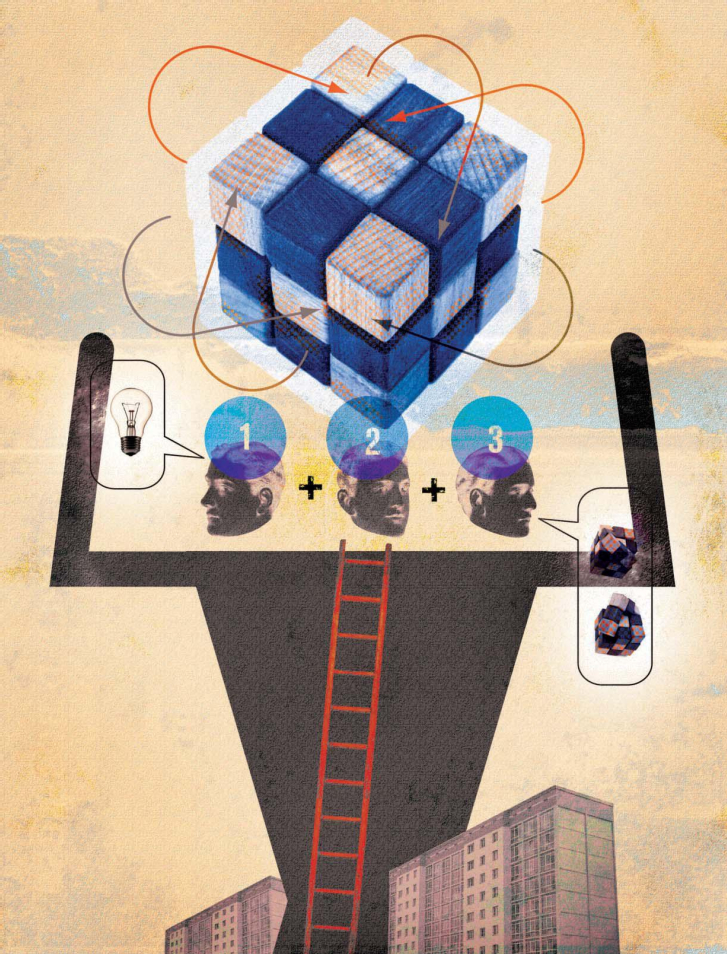
Platforms for Collaboration
Some of the brightest ideas for social change grow in the spaces between organizations and sectors. Yet few organizations have systems that make collaboration happen. To foster innovation, organizations need to develop places where they can come together and work creatively—that is, platforms for collaboration. In this article, a management expert identifies three kinds of collaboration platforms—exploration, experimentation, and execution—and then outlines what organizations can do to put these platforms to work for them.